Last Updated: January 4, 2026Host CityCanada's Football Capital
Toronto World Cup 2026 Guide
Built by someone who’s lived here long enough to remember when Liberty Village was mostly warehouses. Match-day logistics, neighborhood picks, hidden gems, and the little Toronto habits visitors miss.
Transparency: This guide contains affiliate links. We may earn a commission if you book through them, which helps fund our independent journalism.
Guide SectionStrategic Overview
You’re coming to a city that does two things at once: moves fast like a North American financial hub, and then immediately slows down on the lake like it’s on vacation. That’s Toronto in June and July. It’s patios, festivals, streetcars, and the kind of “quick walk” that turns into a two-hour detour because someone said, “Have you tried this bakery?”
Here’s the big strategic truth for the World Cup 2026 in Toronto: the stadium (BMO Field, “Toronto Stadium” during FIFA) sits at Exhibition Place—close enough to downtown to feel easy, but far enough that you can still mess it up if you treat it like a simple subway ride. Do it right and you’ll be at the gates with a coffee and zero stress. Do it wrong and you’ll be stuck in a rideshare that hasn’t moved since the last Leafs rebuild.
This Toronto World Cup 2026 guide is built for three kinds of travelers: the planner, the “we’ll wing it” optimist, and the parent who is quietly trying to keep everyone fed and emotionally stable. You’ll get a match-day plan, neighborhood-by-neighborhood recommendations, safety and transit shortcuts, and a few local-only moves that I’d normally save for friends I actually like.
Quick win: if you do nothing else, pick a home base that makes Union Station or a direct route to Exhibition GO Station easy. That’s your cheat code.
Where to Base
Downtown (Union) for pure convenience. Liberty Village for walk-to-stadium energy. Queen/Ossington for local nightlife.
Transport Strategy
Treat Union Station like mission control. GO to Exhibition is the cleanest match-day move; 509/511 streetcars are solid backups.
Budget Signals
Toronto isn’t cheap, especially in peak summer. Lock refundable rooms early, then keep watching rates like it’s a transfer window.
Most visitors who are visa-exempt still need an eTA to fly into Canada. It costs $7 CAD and approvals are often fast, but don’t be the person applying at the airport Wi‑Fi sign. US citizens don’t need an eTA—just a valid passport.
Toronto in peak summer is already busy. Add the World Cup and you’re dealing with a city that sells out in layers: first the best-located hotels, then anything near transit, then suddenly you’re looking at a place in Mississauga wondering if your “quick trip” is now a commuter lifestyle.
My local rule: book early, book refundable, and treat your booking like a placeholder. You can always upgrade later when prices wobble—what you can’t do is invent hotel inventory in June.
9–12 Months Out
Lock refundable lodging in Downtown (Union/Financial) or Liberty Village. If you’re doing multiple host cities, sketch an open‑jaw flight plan early.
6–9 Months Out
Start tracking flight prices and set alerts. Decide whether you want to be in a family-friendly area (Harbourfront/Distillery) or nightlife (King West/Ossington).
3–6 Months Out
Confirm match tickets. Reserve a couple of ‘anchor’ meals (steakhouse, tasting menu, big group spot). If you hate crowds, book a stadium-adjacent hotel now.
1–3 Months Out
Handle entry requirements (eTA/visa), double-check match-day bag rules, and build your in-city transit plan (Union ↔ Exhibition is your main corridor).
Toronto pricing has two modes: “normal big city” and “big event summer.” During the World Cup, assume you’re living in mode two. The way you win is by controlling the expensive line items (hotel location and match-day transport) and letting yourself spend on the fun stuff (food, a patio, one big attraction).
Verified transit baselines: TTC adult single fare is $3.35 (or $3.30 with PRESTO), and the TTC day pass (PRESTO ticket) is $13.50. Transfers are valid for two hours when you pay by PRESTO or contactless. UP Express is 28 minutes Pearson ↔ Union with an adult one-way of $12.35 (or $9.25 with PRESTO). These numbers matter because they let you plan without guesswork.
One more local “gotcha”: prices here are usually shown before tax. Ontario HST is 13%, and tipping in restaurants/bars is typically 15–20%. Build that into your mental math.
Smart Saver
Stay near Line 1 (or a GO station)
TTC day pass ($13.50) on big exploring days
Markets + casual eats (Kensington, St. Lawrence)
Comfort Upgrades
Downtown/King West hotel close to Union
UP Express for airport reliability
Book 1–2 restaurants and a couple of attractions
Premium
Yorkville luxury + spa recovery
Private car only when it truly helps (late nights)
Numbers shown are practical ranges for planning. Taxes and tips apply to most dining.
[Affiliate placement suggestion: hotel comparison widget directly under this table.]
Guide SectionBMO Field
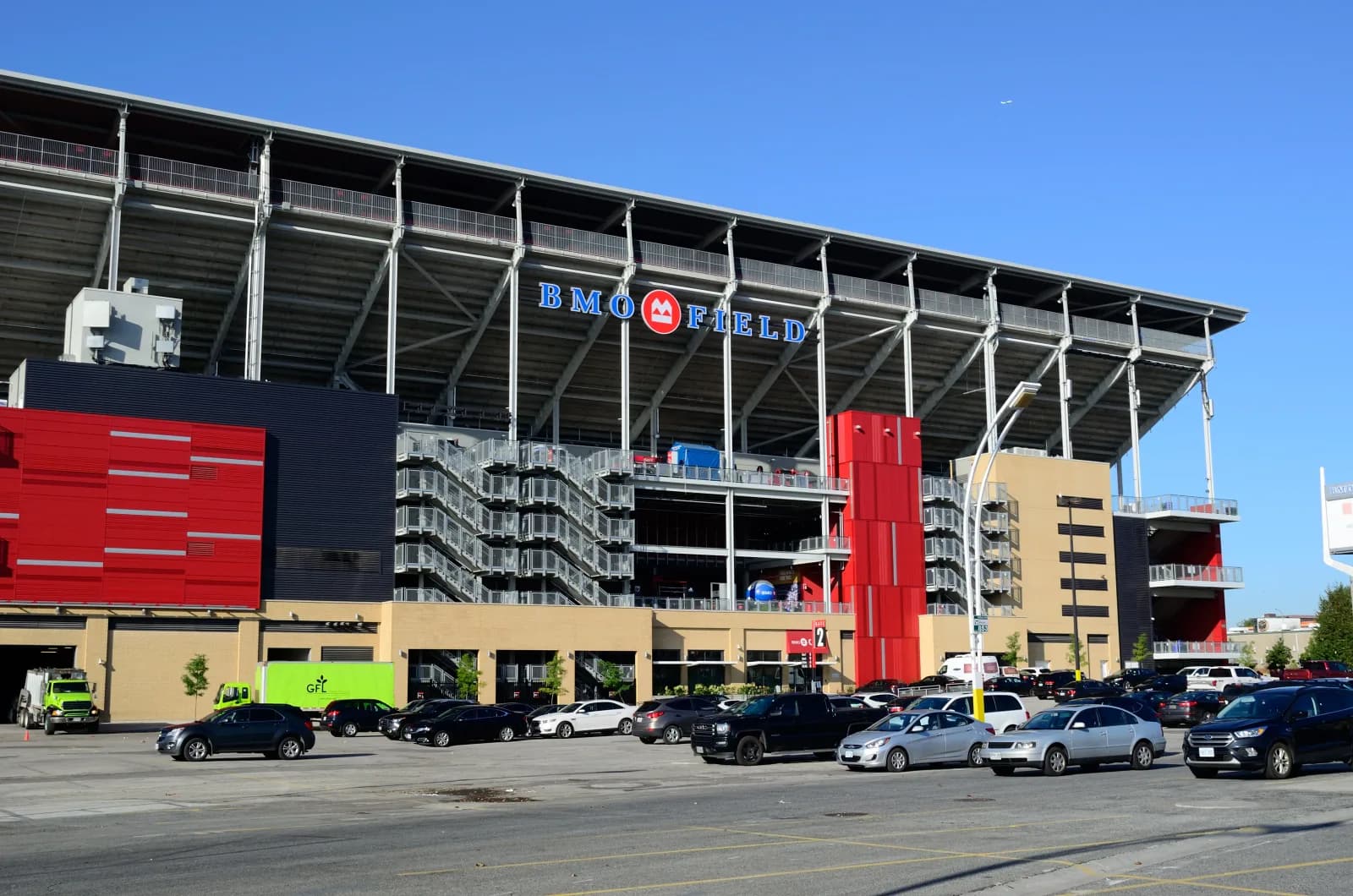
The intimate and electric atmosphere of BMO Field.
BMO Field is the rare World Cup venue that still feels intimate—open air, close to the action, and sitting right on the lake at Exhibition Place. During FIFA, you’ll hear it referred to as Toronto Stadium (FIFA naming rules), but locals will still call it BMO because… of course we will.
The City of Toronto and MLSE have confirmed a two‑phase upgrade plan to get the venue tournament‑ready, including a capacity increase to 45,000 with temporary seating (10,000 north / 7,000 south) and additional fan-experience improvements that will live on after 2026. Translation: it’ll handle World Cup crowds, but it won’t lose that “you’re basically on the pitch” feeling.
Key Features
Capacity45,000 (temporary expansion)
RoofPartial Canopy
LocationExhibition Place (Lakeshore)
Fastest RouteGO Train to Exhibition
Pro Tips
• It’s open-air. The lake breeze can make a warm day feel like a surprise hoodie night.
• Match-day parking exists, but it’s not the hero of this story. Transit will feel calmer.
• If you must drive: Exhibition Place parking is largely Green P (no cash), and special-event rates can run up to $45.
Getting There: The GO Train is the cleanest match-day move, with Exhibition GO Station right beside the grounds. TTC backups include 509 Harbourfront (from Union) and 511 Bathurst (from Bathurst Station) to the Exhibition Loop.
Guide SectionMatch Day Gameplan
Match day in Toronto is half football, half choreography. The win condition is simple: get to Exhibition Place early, eat before you’re starving, and have a plan for the exit so you’re not making decisions in a crowd with 3% phone battery.
If you want the “local” version of match day, don’t overthink it: start around Liberty Village, walk with the crowd, and after the match either jump on the GO/TTC or do the classic move—grab one more drink and let the surge clear.
[Affiliate placement suggestion: “Book airport transfer” card inside this section for late arrivals.]
Arrival
Aim to be at Exhibition Place 90–120 minutes early. GO to Exhibition is the cleanest route; 509/511 streetcars are solid backups.
Bag + Security
Expect strict bag rules. Bring the smallest bag you can, keep it organized, and plan for security lines in peak heat.
Exit Plan
Post-match platform crowds will be real. If you’re not in a rush, walk to Liberty Village/Queen West and let things breathe for 30–45 minutes.
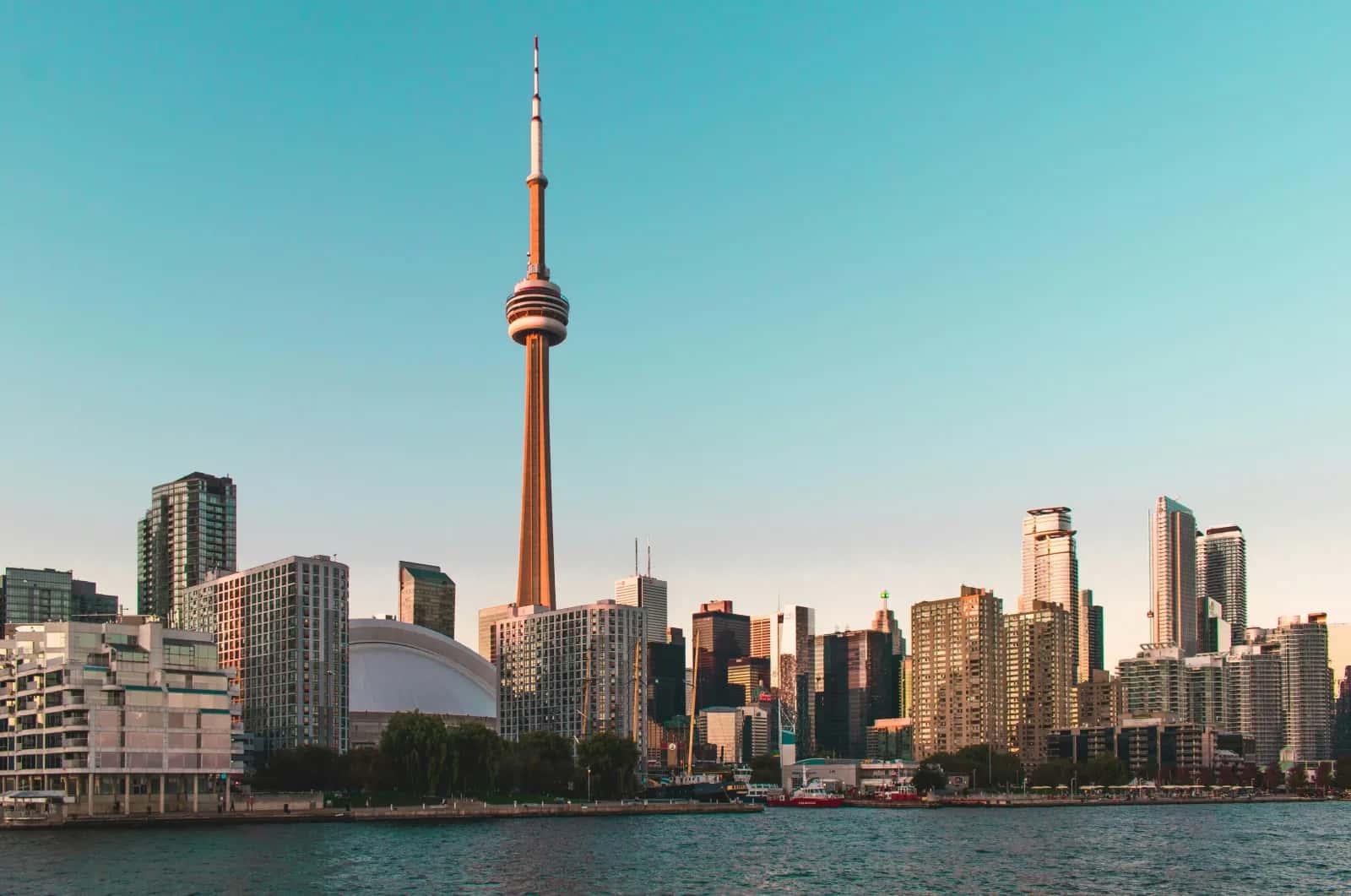
Check in, then do an easy “Toronto starter pack”: Harbourfront walk, quick CN Tower/Ripley’s area photo stop, and dinner in King West or Ossington. Go to bed like you mean it.
Match Day (Low-Stress Timeline)
Late lunch near your base, then Union → Exhibition by GO. Get inside early, hydrate, and treat the first half hour as your buffer. After the match, either leave fast or linger nearby and exit like a local.
Day +1 (Recovery + Flex)
Sleep in. Do a museum (ROM/AGO) or a chill day on the Islands if the weather behaves. If you’re staying longer, this is your day-trip window (Niagara, depending on your energy).
Guide SectionSchedule & Tickets
Confirmed Matches
Group Stage5 Matches
Round of 321 Match (July 2, 2026)
Official Tickets
The safest way to buy tickets is through FIFA’s official portal. Create your FIFA account early so you’re ready when sales phases open, and keep an eye on official communications (not “a guy on Instagram with PDFs”).
Missed the draw? Resale can work, but prices spike fast for Canada matches and knockouts. If you go resale, prioritize platforms with buyer protection and clear seat verification.
Toronto is a “micro-neighborhood” city. You can walk ten minutes and feel like you’ve changed countries, cuisines, and bedtime expectations. For the World Cup, your hotel decision isn’t just about comfort—it’s about whether match day feels like a smooth little adventure or a transit puzzle you solve under pressure.
My shortcut: if you want the easiest logistics, pick somewhere that makes Union Station effortless. If you want the loudest match energy, stay in Liberty Village. If you want luxury and calm after the chaos, Yorkville is your soft landing.
[Affiliate placement suggestion: neighborhood hotel widgets under each neighborhood card.]
Downtown / Financial District (Union Station)
Best for: first-timers and anyone optimizing logistics. You’re walking distance to Union (GO hub), the PATH (indoor walkways), and most major sights. Match day becomes almost boring—in a good way.
Liberty Village
Best for: pure match-day convenience and pregame atmosphere. It’s the closest ‘fan neighborhood’ to the stadium, packed with patios and sports bars. It’s not the quiet choice.
King West / Entertainment District
Best for: nightlife + quick stadium access. Great restaurants, clubs, and big-city buzz. If your group wants ‘afterparty energy’ on tap, this is it.
Queen West / Ossington
Best for: local vibe and food. More indie, less corporate. You’ll be close to great cafés and bars, and still within reasonable transit distance of Exhibition Place.
Yorkville
Best for: luxury, shopping, and a calmer sleep schedule. It’s not the closest to the stadium, but transit is straightforward and the comfort level is high.
Harbourfront / St. Lawrence / Distillery
Best for: families and daytime exploring. Waterfront walks, markets, and a more relaxed pace. Great if you want ‘Toronto postcard’ energy between matches.
Toronto’s transit reputation is… a conversation. But for World Cup travel, you’re in luck: the routes you’ll use are the simple ones. The entire game is getting yourself into the Union Station ↔ Exhibition Place rhythm and not letting a car talk you into gridlock.
Two local hacks: (1) tap with the same card for your whole TTC journey so your two-hour transfer works, and (2) after matches, consider walking a bit away from the stadium before you call a ride—surge pricing feeds on indecision.
TTC & GO Transit
The TTC (subway/streetcar/bus) covers the city. GO Transit covers the region and is the easiest way to hit Exhibition Place from Union on match day. You can pay with PRESTO or contactless cards, and TTC transfers are valid for two hours when you pay by PRESTO/contactless.
Verified TTC fares: adult single is $3.35 (or $3.30 with PRESTO). TTC day pass (PRESTO ticket) is $13.50.
Airport Transfer
Pearson (YYZ) is the main hub. The UP Express is the most reliable downtown link: 28 minutes to Union, every 15 minutes. If you’re staying near Union, this is the smoothest arrival you’ll ever have in Toronto.
Rideshare & Driving
Toronto traffic is a competitive sport. Uber/Lyft are available, but surge pricing after matches is very real, and Exhibition Place congestion can make a short trip feel long. If you drive, plan extra time and expect special-event parking rates.
Toronto’s food scene is basically the city’s personality in edible form: multicultural, opinionated, and allergic to boredom. The good news is you can eat unbelievably well without touching a fine-dining reservation. The bad news is the best spots fill up fast when a big event hits town.
My advice: book one “anchor” dinner, keep the rest flexible, and use markets for daytime fueling. Also: Torontonians will debate the best neighborhood like it’s a playoff series. Let them. Just enjoy the food.
[Affiliate placement suggestion: OpenTable module after this intro.]
Liberty Village (Pregame Hub)
Patios, sports bars, and easy walks to the gates. If you want the crowd energy before kickoff, start here.
St. Lawrence Market
Classic Toronto food stop. Peameal bacon sandwich is the famous move, but the real win is grabbing picnic fuel for the waterfront.
Kensington Market
Bohemian, walkable, and wildly snackable. Come hungry and treat it like a choose‑your‑own‑adventure.
Chinatown (Spadina)
Late-night eats and big flavors. Great for post-match meals when other neighborhoods are winding down.
Koreatown (Bloor)
Korean BBQ and casual comfort food. Perfect if you want a fun group dinner that doesn’t require a formal vibe.
Ossington Strip
One of the best restaurant/bar corridors in the city. Trendy but not sterile, with a lot of good choices packed into a few blocks.
Toronto is easy to underestimate until you realize you’ve spent a whole day doing “one quick thing” and somehow ended up on a ferry, in a museum, and then eating dumplings at 11 p.m. The city is dense in the best way.
If you’re here for a match, plan attractions around your match time. Toronto summer traffic and crowds are real, so keep your “must-do” sights close to downtown on match day—and push day trips to your non-match days.
[Visual assets to add: map graphic showing Downtown ↔ Exhibition Place corridor, plus a “3-day Toronto” itinerary card.]
CN Tower
Skyline views, glass floor, and a very ‘Toronto postcard’ moment. Go early or late to dodge peak crowds.
Ripley's Aquarium
Right by the Tower. Family-friendly and air-conditioned, which hits differently on a humid day.
Royal Ontario Museum (ROM)
Big, iconic museum day. Great rainy-day plan and an easy subway trip from downtown.
Distillery District
Cobblestones, patios, shops, and a quieter kind of buzz. Great for photos and a slow afternoon.
Toronto Islands
My favorite ‘you’re still in the city?’ escape. Ferry over, rent a bike, and reset your brain.
Evergreen Brick Works (Local Gem)
Nature + city views + markets. It feels like Toronto’s secret backyard when you need a breather.
Toronto is generally safe for a city this size, but “safe” doesn’t mean “switch your brain off.” Match days create predictable crowd patterns: Union Station, streetcars, the waterfront corridor, and Exhibition Place will be packed. That’s when petty theft happens—because it’s easy, not because Toronto is dangerous.
Areas to be cautious about (especially late at night): I tell visitors to be more alert around parts of Moss Park and the immediate Sherbourne & Dundas area, particularly if you’re walking alone. You don’t need to be scared—just don’t treat every block like it’s the same.
Event Patterns
Crowds cluster at Union Station, streetcar stops, and stadium gates. Keep your phone out of your back pocket, close zippers in tight spaces, and decide your meetup spot before you lose cell signal in a crowd.
Practical Tips
• Use licensed taxis or major rideshares late at night, especially if you’re outside downtown.
• On the TTC, keep bags in front of you in crowded cars and don’t leave phones on café tables near windows.
• If someone “helps” you at an ATM or ticket machine uninvited, politely decline and move.
• 911 is for emergencies. For non-emergency city help, Toronto’s 311 is useful.