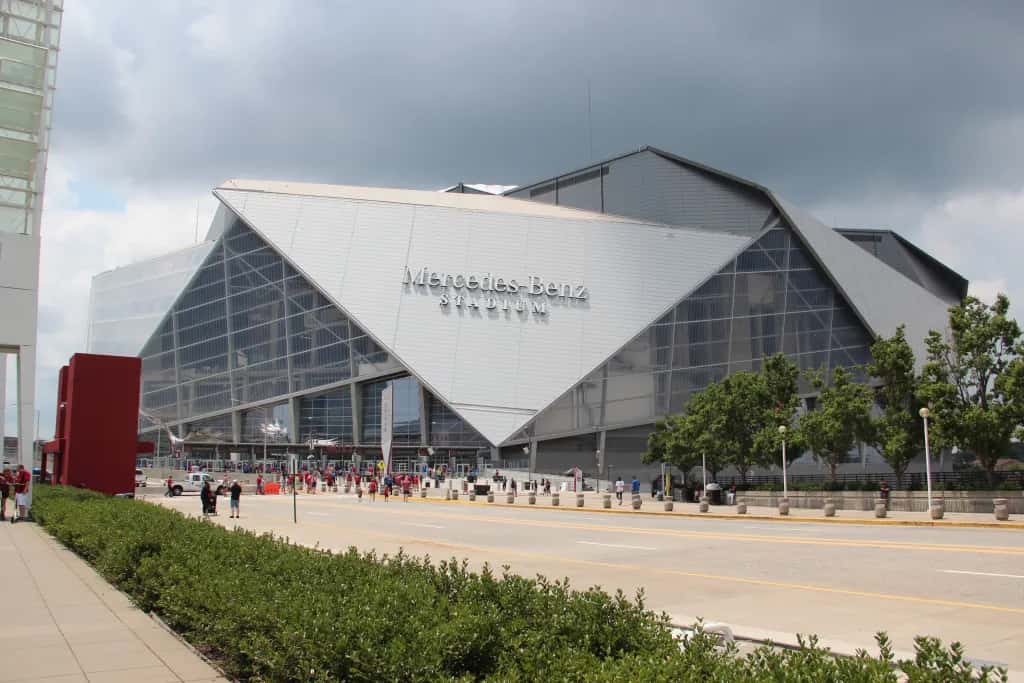
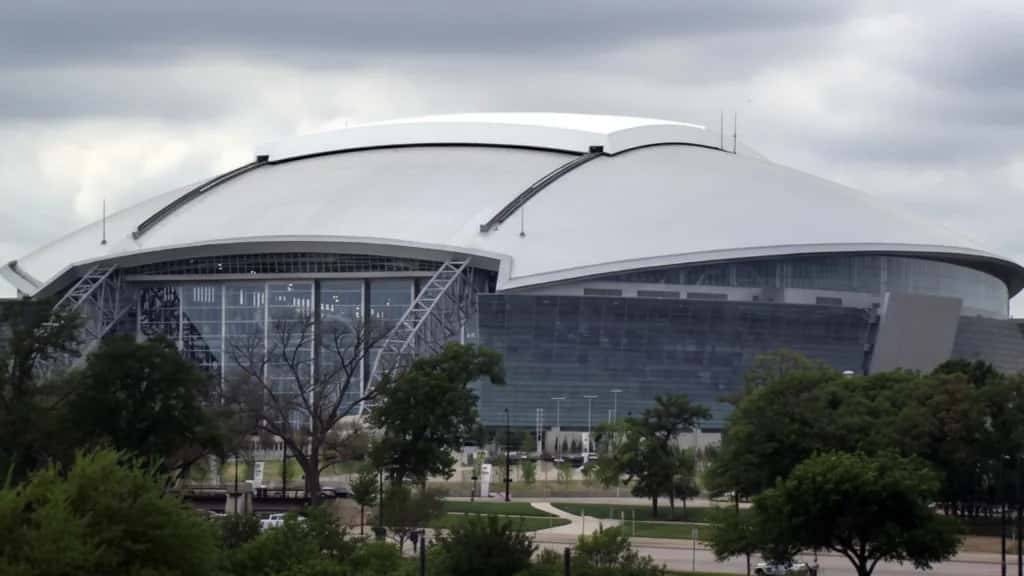
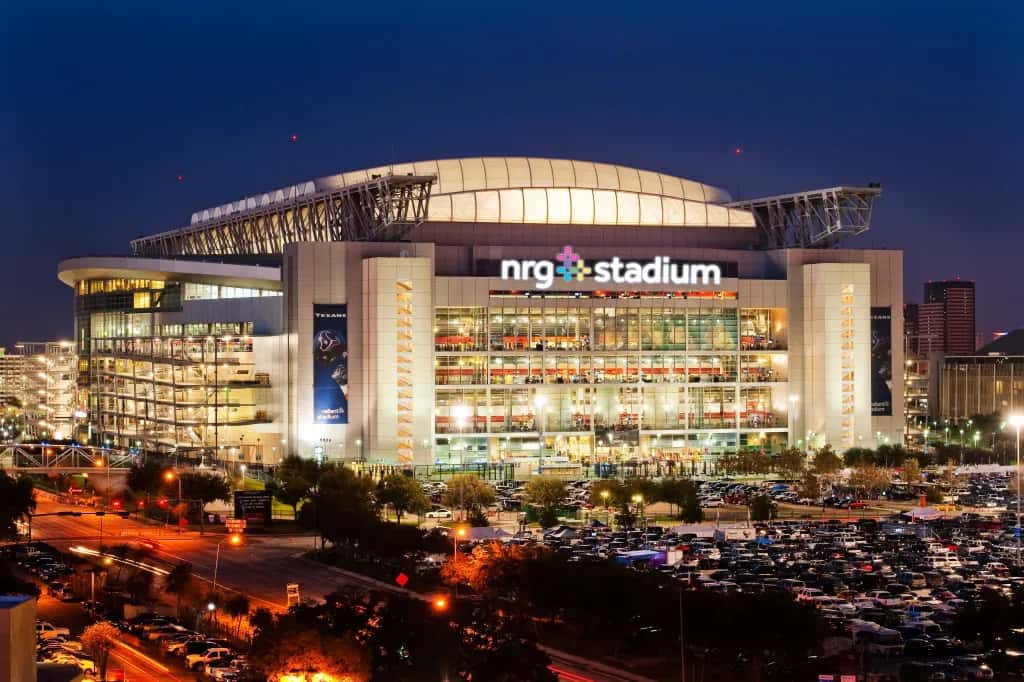
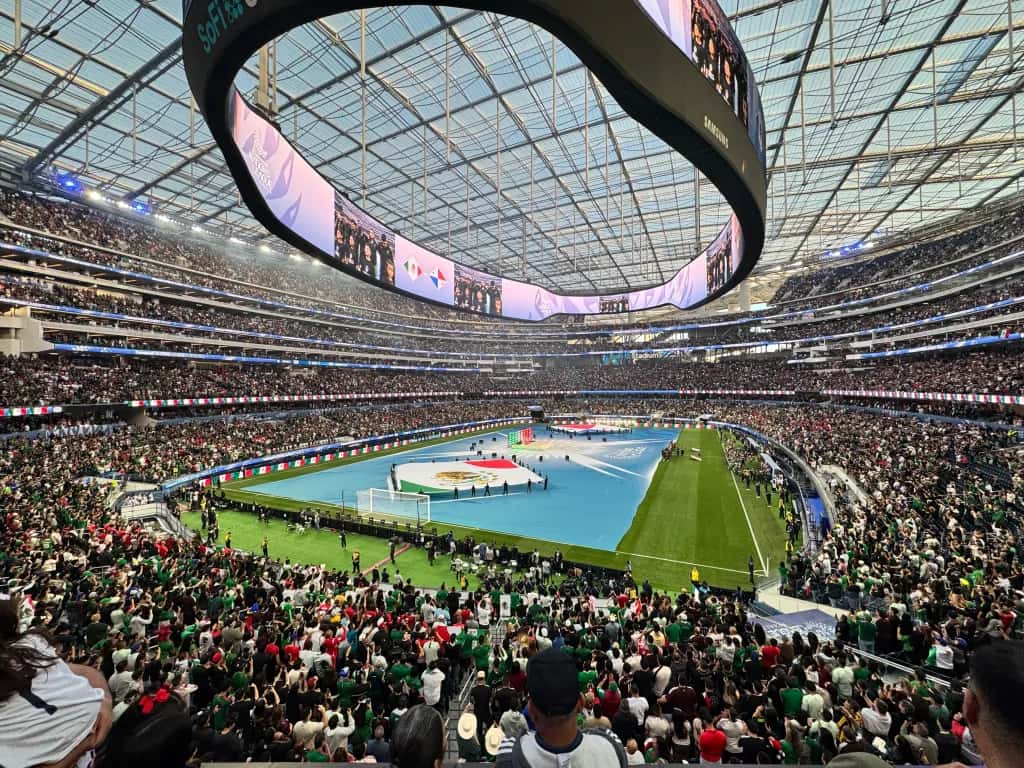
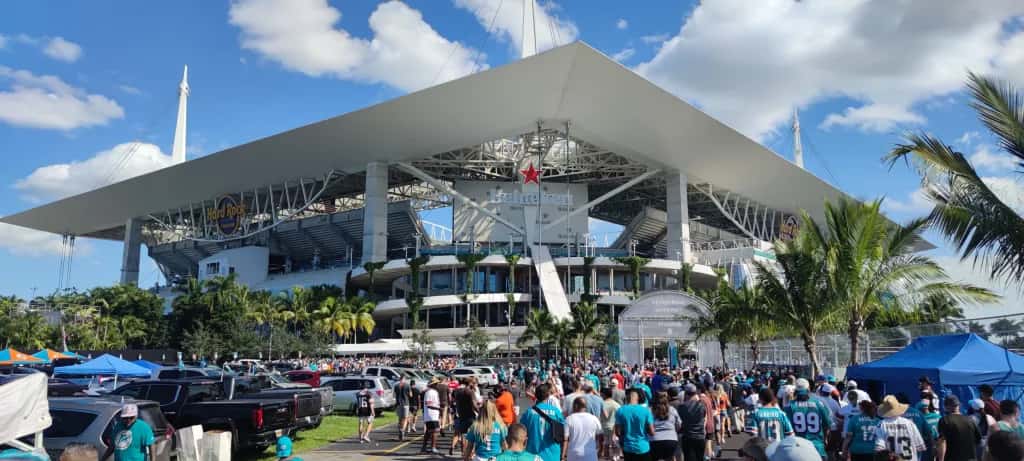
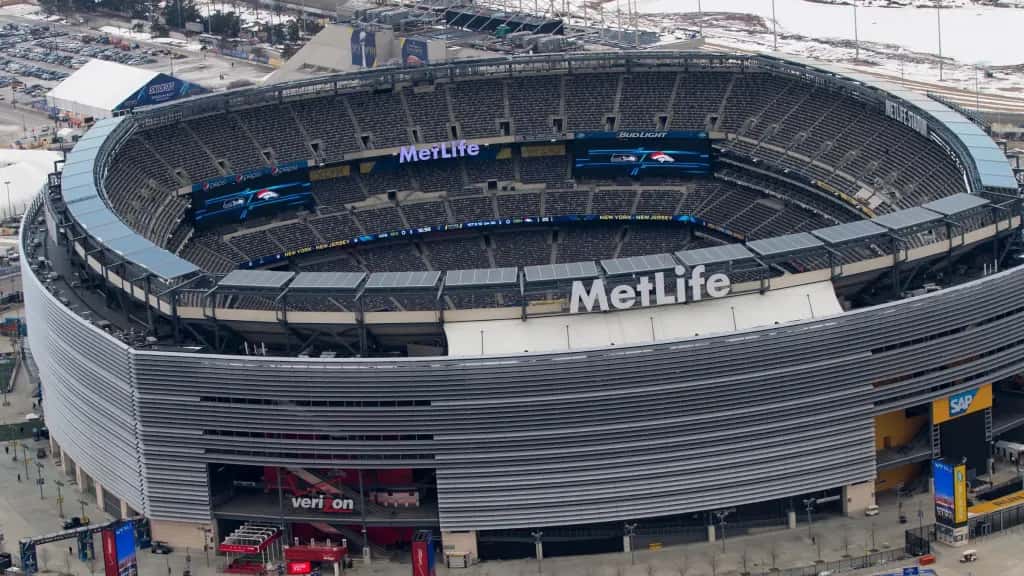
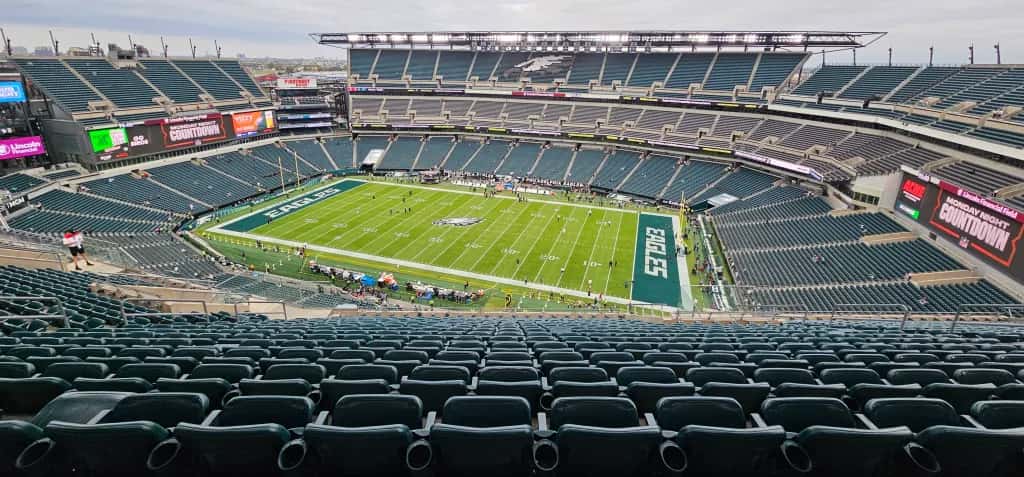
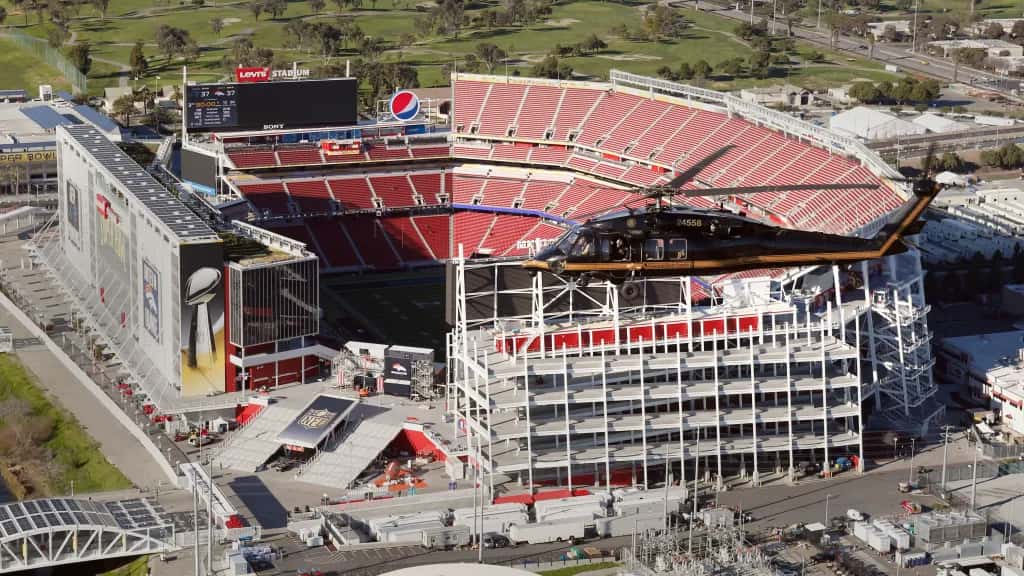
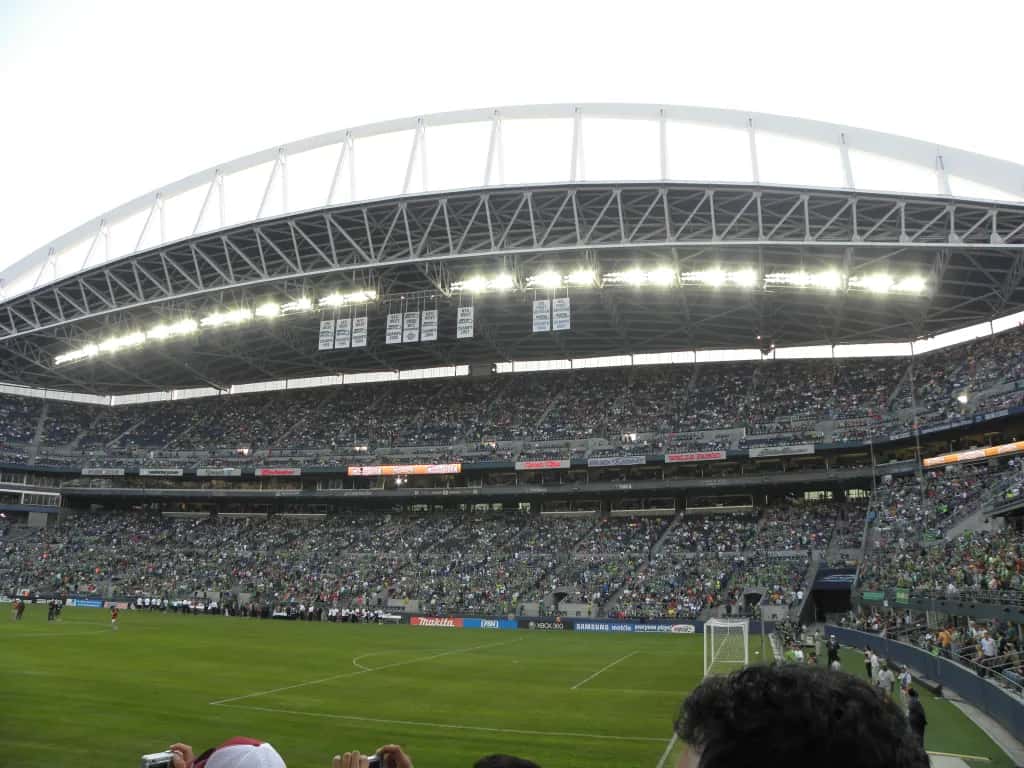
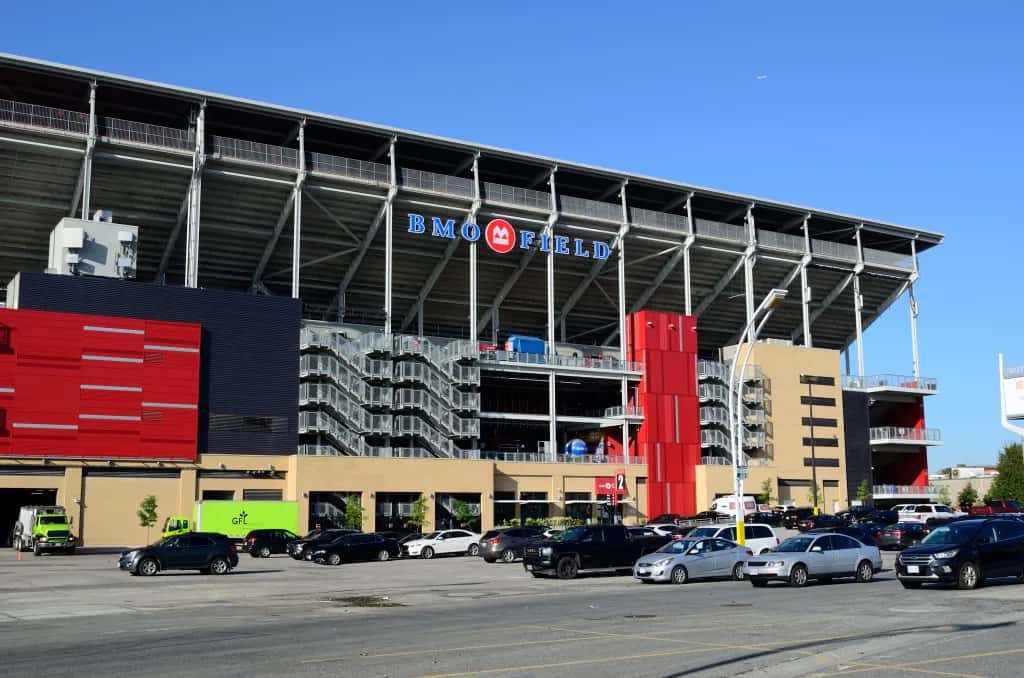
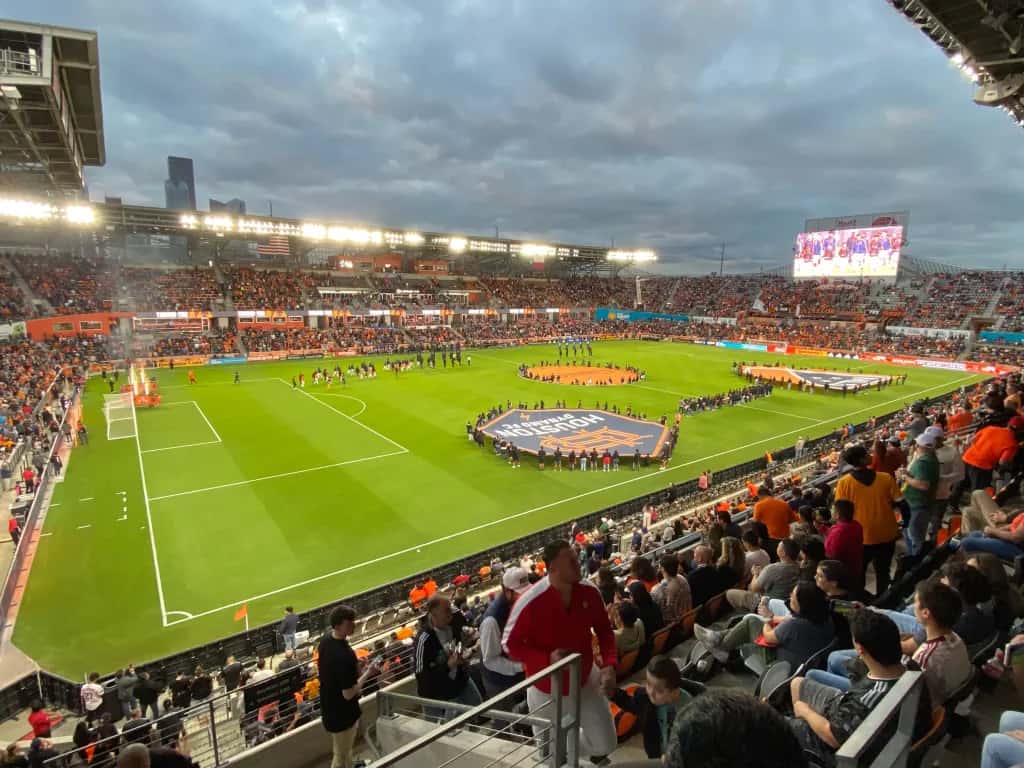
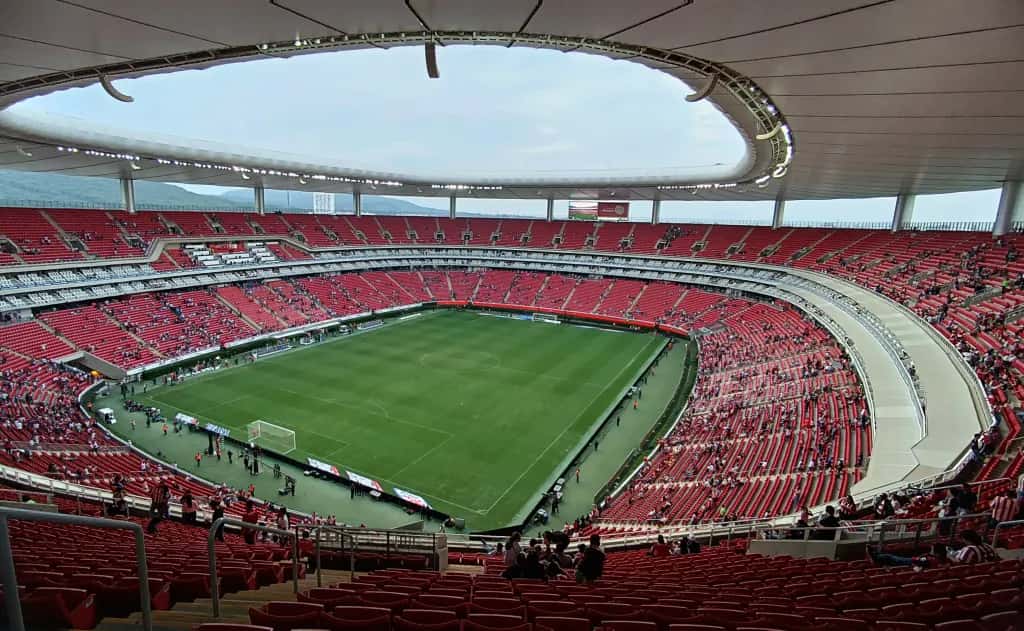
The 2026 FIFA World Cup will be a tournament of architectural wonders. Not only is it the first time three nations—the United States, Canada, and Mexico—will co-host the event, but it also marks the expansion of the tournament from 32 to 48 teams. This means 16 world-class venues will be under the global spotlight, each offering a unique stage for football history.
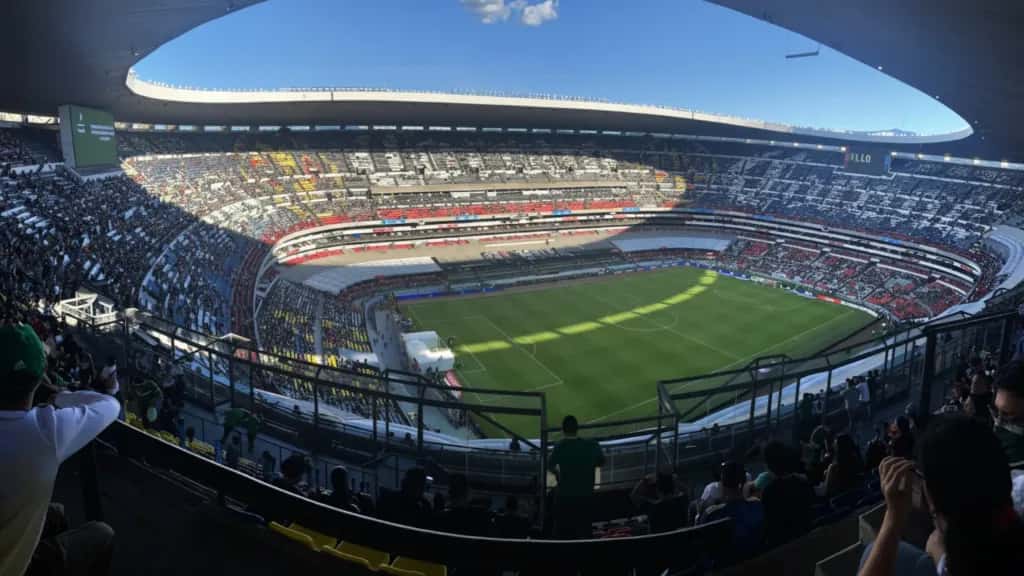
With 104 matches scheduled across 39 days, these stadiums have been selected for their state-of-the-art facilities and massive capacities. From the historic Estadio Azteca in Mexico City, which will become the first stadium to host three World Cup openers, to the multi-billion dollar SoFi Stadium in Los Angeles, every venue tells a story of innovation. These aren't just stadiums; they are the cathedrals of modern sport.
The tournament venues have been clustered into regional pods to minimize travel for teams and fans during the group stages. Each stadium will undergo rigorous FIFA standardizations, including the installation of natural grass pitches in venues that typically use turf. As the tournament builds toward the grand finale at MetLife Stadium, these 16 stages will define the legacy of the 2026 World Cup.